Latest News
-
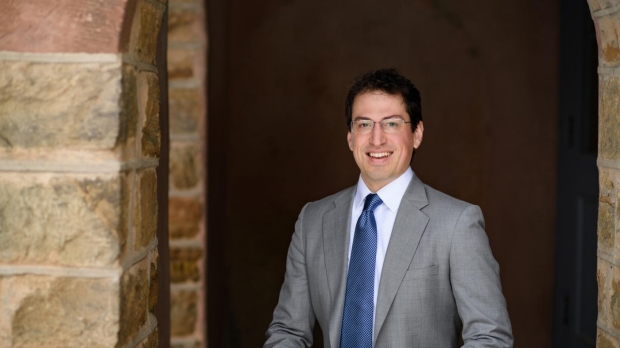
Center for Digital Health Welcomes Michael Avanti Lopez as New Executive Director
We are delighted to announce the appointment of Michael Avanti Lopez as the new Executive Director of the Center for Digital Health (CDH). As a Stanford Law alumnus with experience in technology & academia, Lopez' expertise aligns with CDH’s mission to drive innovation in digital health across multiple sectors.
-

2023 Teaching Awards
The 2023 Teaching Awards, including the Master Teacher Award, celebrate & showcase Stanford Department of Medicine’s incredible educators.
-
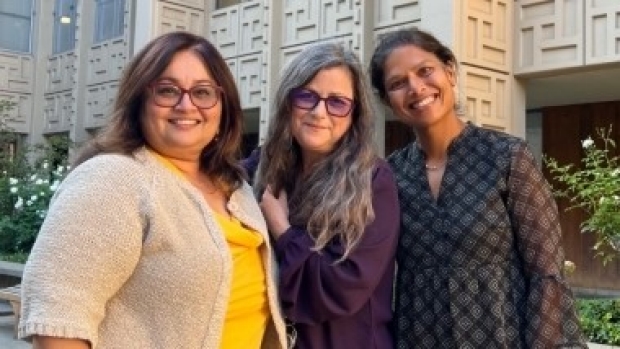
Nurturing Well-being & Connection in Medicine: A Glimpse into the MODEL Program
DoM has launched an initiative known as the MODEL Program to weave a stronger fabric of mentorship, development, and support within the department, and to prioritize the well-being of our physicians as they care for patients.
-
The Kindness Coalition: Pioneering a Culture of Compassion in Medical Care
The Kindness Coalition is a new initiative at Stanford Medicine with a critical mission of fostering kindness among healthcare workers in order to create a more inclusive and collaborative healthcare environment.
-

The gift that keeps on giving: Stanford REACH-HBMC mentors & mentees reflect on shared season of learning
We asked mentor/mentee pairs from the Stanford REACH-HBMC 2022 & 2023 cohorts to share their thoughts and impressions from their summer learning experience. Here is what they had to say.
-

Reflections on Stanford’s Digital Health Summit: How Digital Technology Can Pave the Way for a New Era of Accessible, Personalized, and Preventive Healthcare
Explore key insights from Stanford's 2024 Digital Health Summit. Discover how the convergence of digital technology, genomics, and AI is heralding a new era of healthcare - one that's personalized, accessible, and focused on prevention.
-
.jpg)
AI for Grant Writing: Use with Caution
Three grant writing experts in the Division of Cardiovascular Medicine want researchers to understand common pitfalls to avoid as they use AI as a tool in preparing grant applications.
-
.jpg)
Tri-Valley – A Growing Nexus for Team Science Research
Dramatic growth in clinical care at Stanford Health Care Tri-Valley over the last decade, spurred by a rising, diverse patient population, is opening up new opportunities for clinical research and team science.
-
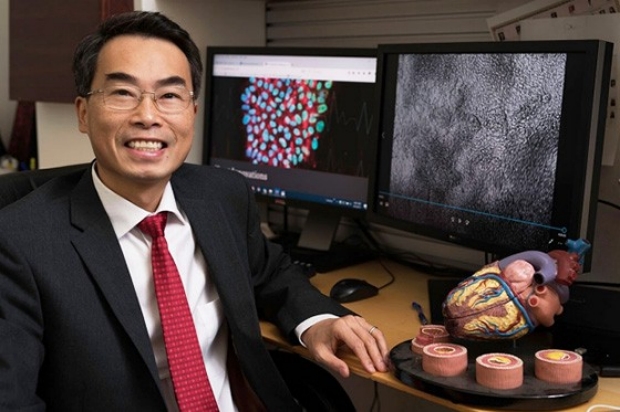
A New Era of Cardiovascular Care: Insights from Dr. Joseph Wu
As we observe American Heart Month this February, Joseph Wu, MD, PhD, shares his insights into the current state of cardiovascular medicine and what the future might hold for treating and preventing heart disease.
-

Infectious Diseases Team Aims to Curb Neglected Parasitic Disease
A Stanford team led by Nathan Lo is contributing to global efforts by the World Health Organization (WHO) and national governments in endemic areas to curb schistosomiasis, a parasitic infection that affects more than 150M people globally.