Welcome to the Department of Medicine
Featured Stories
-
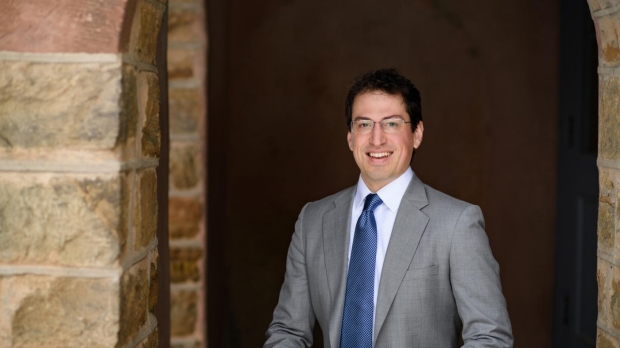
Center for Digital Health Welcomes Michael Avanti Lopez as New Executive Director
We are delighted to announce the appointment of Michael Avanti Lopez as the new Executive Director of the Center for Digital Health (CDH). As a Stanford Law alumnus with experience in technology & academia, Lopez' expertise aligns with CDH’s mission to drive innovation in digital health across multiple sectors.
-

2023 Teaching Awards
The 2023 Teaching Awards, including the Master Teacher Award, celebrate & showcase Stanford Department of Medicine’s incredible educators.
-
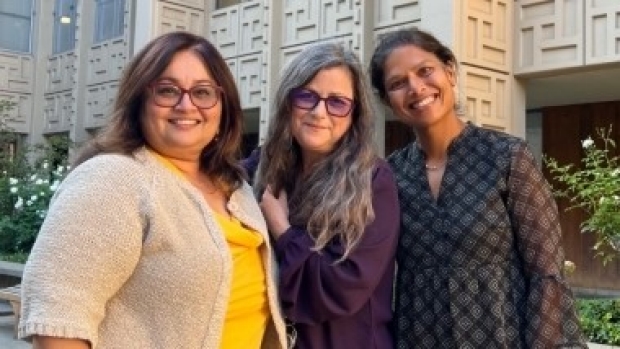
Nurturing Well-being & Connection in Medicine: A Glimpse into the MODEL Program
DoM has launched an initiative known as the MODEL Program to weave a stronger fabric of mentorship, development, and support within the department, and to prioritize the well-being of our physicians as they care for patients.
-
The Kindness Coalition: Pioneering a Culture of Compassion in Medical Care
The Kindness Coalition is a new initiative at Stanford Medicine with a critical mission of fostering kindness among healthcare workers in order to create a more inclusive and collaborative healthcare environment.
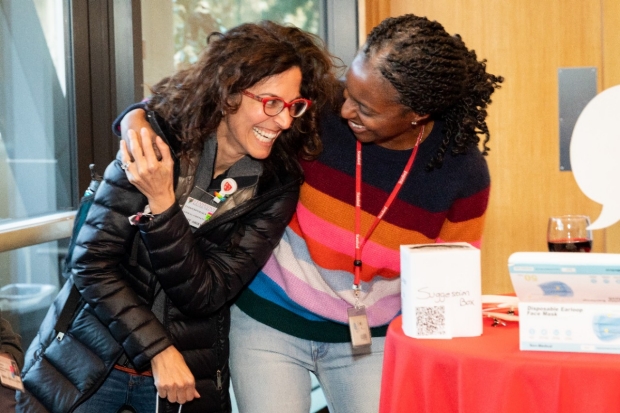
Inclusion 2024: Allyship
Inclusion 2024 is a yearlong virtual celebration of diversity with engaging programming and events centered around a community-selected annual theme and aimed at making inclusion a practice across the department. The 2024 theme is allyship.
Community Partnership Program
We work to advance health and health equity in our local community through developing, coordinating, and sustaining partnerships between community organizations, our department, and the broader School of Medicine.
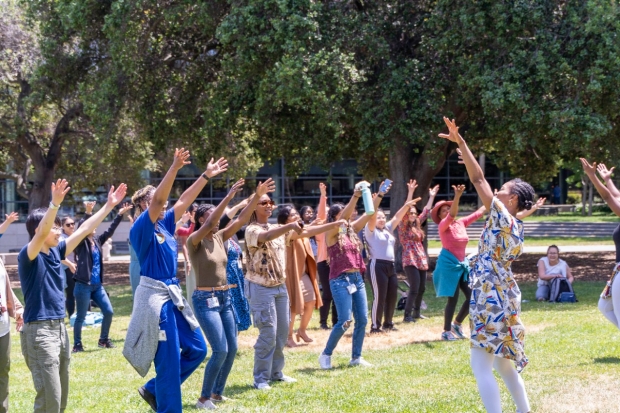
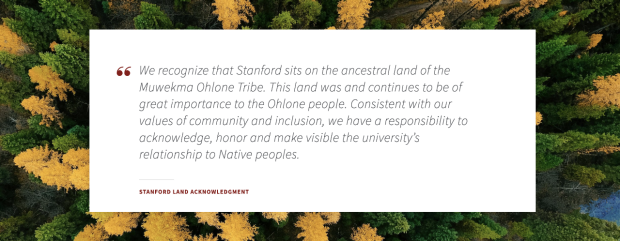
Want to be notified of department DEI events & announcements?
Contact Winnona Alba (winnona@stanford.edu) to join our new email listserv at domdeievents@lists.stanford.edu.
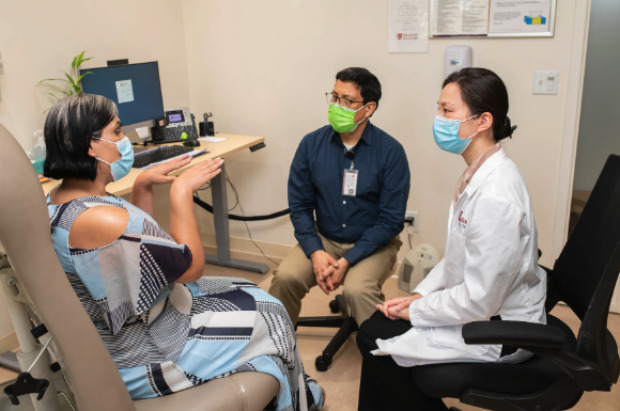
Team Science
The Department of Medicine is committed to translating research discoveries into clinical practice to improve health worldwide. We accomplish this goal through an interdisciplinary approach known as team science. Visit our DoM Team Science website.
Medicine Grand Rounds
Our Department of Medicine Grand Rounds live stream is geared towards the Stanford community. Join us on event days for expert presentations on Stanford campus or virtually, or catch up with YouTube recordings.
.jpg)
Community Collaboration
Our 15 divisions are unique and interrelated communities, well established in our internal medicine disciplines and united by our shared core values.
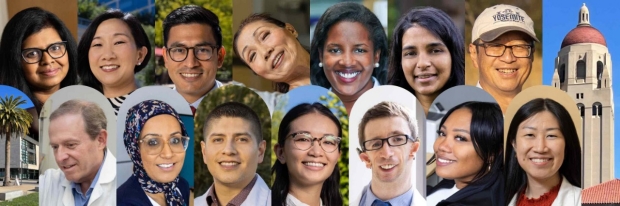
Explore our 15 departmental divisions
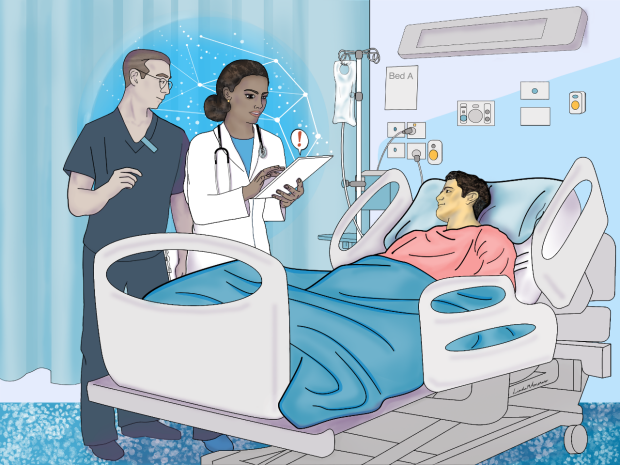
“At Stanford, it’s in our DNA to use technology in service of innovation. There’s the rich ecosystem we’ve developed with Silicon Valley companies and cross-pollination with local industry. Plus, we tend to attract faculty who are skilled both as informaticians and as physicians.
-Ron Li, MD
Residency Program
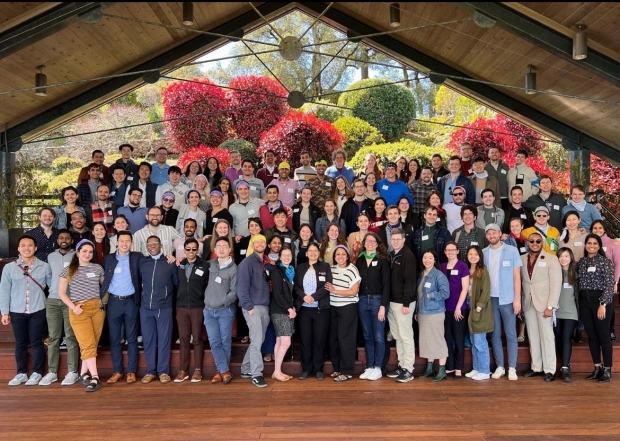
The dedication of the Department to excellence in teaching and patient care, a wide breadth of clinical experience, high quality fellowship and research programs, and an outstanding faculty combine to make this a superb environment for training housestaff for future academic leadership careers.
Educational Programs
Our educational mission is to provide excellent broad-based clinical training in a scholarly environment for future academic leaders.