Stanford Clinical Investigator Pathway (SCIP)

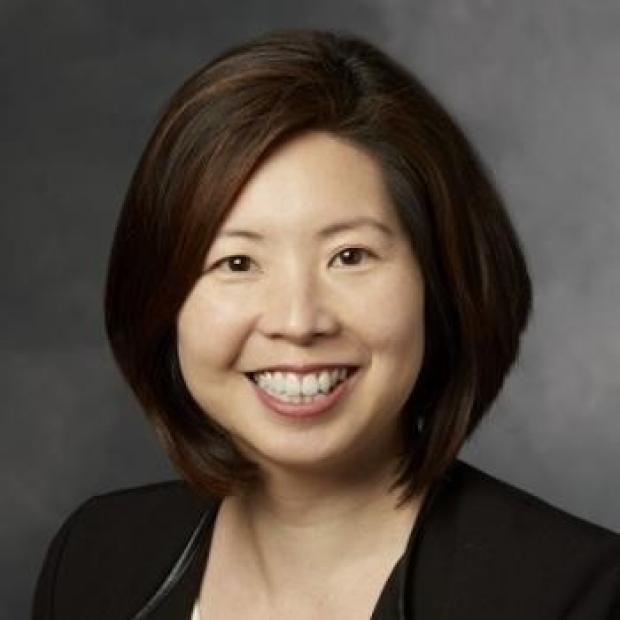
Linda Boxer, MD

SCIP Program Director

The Stanford Clinical Investigator Pathway (SCIP) offers superb training, experience and opportunity for residents interested in developing a career as a physician-scientist. The SCIP can be ideal for residents who come to Stanford with a strong research background and experience (often with a prior Ph.D.) as it allows them to pursue their research interests more quickly than does the traditional pathway. The Stanford faculty research base, within the Department of Medicine and throughout the institution, provides a wide range of opportunities and mentors for SCIP residents.

Program participants are selected specifically for commitment to and potential for academic research careers. The Pathway allows residents who are committed to a career in academic medicine and/or basic science research to complete their internal medicine training a year earlier in exchange for an extra year of research in their subspecialty area. Thus, the Pathway generally consists of 2 years in the residency program followed by a 4-5 year subspecialty fellowship, which in turn consists of 1 year or more of intense subspecialty clinical training followed by 3 or more years of research fellowship training. Requirements may vary by division.

Highlights of the Stanford Clinical Investigator Pathway include:

  • Full funding support for the training period
  • Specialized basic science didactic sessions
  • Basic science and clinical research faculty participation
  • Association with a research mentor throughout residency
  • Independent research projects
  • Preferential consideration for acceptance into the Stanford subspecialty fellowship program

Applicants interested in the SCIP should complete the ERAS residency application and include a statement expressing specific interest in the SCIP so that interviews with the appropriate subspecialty faculty can be arranged. During November of their first year of medical residency at Stanford, interested residents will apply for the SCIP in the subspecialty of their choice. Notification of acceptance will generally be made in January or February.

SCIP fellowships are available in the following divisions and programs:

A brief description of the SCIP in each of these areas follows; additional fellowship information may be obtained by contacting the SCIP fellowship director, the division chiefs/fellowship program directors, or (where listed) division/program web sites. Contact information is listed below at the end of each division/program description.

Additionally, detailed information on specific faculty research interests may be found at:
http://www-med.stanford.edu/school/bluebook/


Bone Marrow Transplantation

BMT is a rapidly growing division that strongly emphasizes mentoring. Trainees will be guided closely by faculty members. The Division offers training programs in both Experimental Studies and Clinical Trials. The former includes:

  • studies of allo- and auto-grafting
  • identification of cells responsible for resistance or tolerance to grafting
  • novel methods to detect and treat residual malignant disease.

The Division's clinical trials include, among others:

  • studies of allo- and auto-grafting
  • prevention and therapy of GvHD and fungal infections after BMT
  • immunotherapeutic approaches to prevent relapse
  • hemapoietic cell transplantation for patients with auto-immune diseases.

Robert S. Negrin, MD, Division Chief, Fellowship Director
, 650-723-0822

Bone Marrow Transplantation

[Table of Contents]


Cardiovascular Medicine

Research interests of the Division and affiliated faculty members are broad, and include both clinical and laboratory studies. A brief sampling includes:

  • Molecular and cellular biology of the cardiovascular system with a focus on artherosclerosis and cardiomyopathy
  • Cardiac-specific gene expression and regulation studies
  • Atrial fillibration and ablation studies
  • Echocardiography studies
  • Medical device development, including interventional device technology, catheter ablation technology, and cardiac imaging devices, including new MRI and ultrasound applications
  • Pharmacological studies including anti-arrhythmic agents, experimental drug therapy in congestive heart failure, artherosclerosis, angiogenesis, peripheral arterial insufficiency, and other cardiovascular problems.
  • Management and long-term follow-up of transplant recipients, graft rejection studies
  • Clinical epidemiology, cardiac disease risk factor modification, disease management

The SCIP in Cardiovascular Medicine is for residents with well-defined investigative backgrounds, dedicated to excellence and the advancement of clinical medicine. This pathway takes 5 years, 3 of which are devoted to research, either laboratory-based or clinical. These activities may be supervised and directed by members of the Cardiovascular Medicine faculty and/or by faculty members in any of the collaborating divisions and departments at Stanford.

The Cardiovascular Medicine training program seeks to provide a rich educational environment. This includes weekly conferences on basic science research, electrophysiology and EKG, interventional cardiology, interventional vascular radiology, cardiac transplantation, vascular medicine, and cardiac catheterization. The Division also sponsors weekly cardiovascular research conferences and clinical conferences. A major forum of interaction is provided by a joint clinical conference with cardiovascular surgery. Didactic lectures provide fellows with basic concepts in clinical cardiology, biostatistics and clinical epidemiology as well as cellular and molecular biology. The fellows are afforded opportunities to present seminars on clinical or basic research topics as well as to participate in monthly journal clubs held in the homes of faculty members. Fellows also can elect to audit courses offered within the Stanford University community.

Research funding, including stipend support, is available from multiple sources. Individual applications for NIH National Research Service Awards, AHA California Affiliate Fellowships and other corporate and foundation-sponsored programs are encouraged. Available to the Cardiovascular Medicine Division are multiple research grants (including a Program Project Grant in vascular remodeling) and training grant funds through a NIH vascular biology and medicine training grant, and a preventive medicine training grant. These training programs link clinicians and basic scientists within the Division with investigators throughout the University community and provide a forum for intellectual interchange.

Thomas Quertermous, Division Chief
, 650-723-5013

Alan Ching Yuen Yeung, MD, Associate Professor of Medicine (Cardiovascular)
,650-723-0180

John C. Giacomini, MD, Fellowship Program Director
, 650-858-3932

Cardiovascular Medicine: fellowship - faculty

[Table of Contents]


Endocrinology and Metabolic Diseases

Faculty interests in the Division of Endocrinology and Metabolic Diseases include:

  • Evaluation of diagnostic tests in endocrinology
  • Steroid hormone action with a focus on glucocorticoids, estrogen, and vitamin D
  • Neuroendocrinology with a focus on growth hormone and insulin-like growth factors
  • Cellular lipid and lipoprotein metabolism
  • Epigenetics - Role of PPARs in cardiovascular and metabolic diseases
  • Diabetes, hypertension, and lipoprotein metabolism

The Fellowship Program in Endocrinology and Metabolic Diseases at Stanford University School of Medicine provides the Fellows with two to three years of combined clinical and research experience with an emphasis on research. The standard program is designed to provide an intensive clinical experience during the first year followed by the Fellow's moving into a research laboratory to pursue basic or clinical research training while continuing some clinical responsibilities.

The clinical training has three components:

  • Inpatient consultations
  • Outpatient clinics
  • Conferences

Inpatient consultations are performed by two teams, one at Stanford and the VA Palo Alto Health Care System and one at Santa Clara Valley Medical Center. Outpatient clinics in the teaching program include general endocrinology clinics at the three hospitals. In addition, several specialty clinics at Stanford are available for further in-depth training, including Diabetes-Metabolism, Metabolic Bone Disease, Neuroendocrinology, Pediatric Endocrinology, Reproductive Endocrinology, and Thyroid-Nuclear Medicine.

Research training, basic and/or clinical, is provided by the faculty in the Division of Endocrinology and Metabolism. In addition, several other laboratories at Stanford have close ties with the Division and strong interests in endocrine-related diseases. Arrangements can be made for Fellows to obtain research training in these laboratories while pursuing clinical training in the Endocrinology Division.

Andrew R. Hoffman, MD, Fellowship Director
, 650-858-3939

Frederic B. Kraemer, MD, Division Chief
, 650-723-6054

For more information on the program, and to apply, you can download the following Microsoft Word documents. If a simple click doesn't initiate download, click and hold (Mac) or right-click (PC) and select whatever's closest to "Save Link to Disk."

Program Description | Application Form

[Table of Contents]


Gastroenterology & Hepatology

The investigative interests of the faculty in the Division of Gastroenterology & Hepatology include:

  • pathogenesis of viruses (rotavirus, Norwalk virus, astrovirus) of the GI tract
  • comprehensive study of hepatitis C virus, including host immune responses, genetic diversity, epidemiology, and clinical trials with novel antivirals
  • natural history of hepatitis B virus infection
  • Src family of tyrosine kinases - role in oncogenesis, transduction, and cell differentiation
  • Polarized secretion of the exocrine pancreas, pancreatic cancer
  • Cholesterol metabolism and lipid homeostatsis
  • Pathogenesis of gastroesophageal reflux disease and its complications
  • Patient selection and outcomes of liver transplantation, particularly alcoholic cirrhosis and chronic hepatitis B with cirrhosis
  • Epidemiology of hepatocellular carcinoma associated with HCV infection in ethnically diverse U.S. population
  • The function of the cytoskeleton in GI epithelia
  • Outcomes research with an emphasis on endoscopic interventions.

The first year of the gastroenterology fellowship program is devoted entirely to acquiring the clinical skills and procedural knowledge necessary to be an accomplished gastroenterologist. These procedures include upper gastrointestinal endoscopy, esophageal dilation, colonoscopy, polypectomy, sigmoidoscopy, and liver biopsy. Throughout the year, interpretation of biopsies and x-rays is stressed. Trainees also get some experience with esophageal sclerotherapy, esophageal and anorectal manometry and limited exposure to endoscopic retrograde cholangiopancreatography (ERCP), and the use of lasers. The clinical training is divided equally among the three participating hospitals: UCSF/Stanford Health Care, Palo Alto Veterans Administration Health Care System, and Santa Clara Valley Medical Center. Teaching conferences, including critical review of the current literature, take place on a regular basis and are divided between clinical patient-based topics and review of research projects. Visiting professors speak at the GI conference on specialized topics every 1-2 months.

SCIP fellows will pursue laboratory-based research or other forms of research that do not involve direct patient care, such as health policy or outcomes research. Each fellow will spend a minimum of three years in one of the well-established research programs of a full-time Division or affiliated faculty member. During this period of research, each fellow is encouraged to prepare independent applications for advanced research training, including National Research Service Awards, VA Research Associate ships, NIH Clinical Investigator and Physician Scientist Awards.

During their fellowship research years, SCIP fellows devote 10-25% of their time to clinical activities to meet requirements for board eligibility and certification.

Allen D. Cooper, MD, Professor of Medicine, Division Chief
, 650-326-8120

Emmet B. Keeffe, MD, Professor of Medicine, Fellowship Director
, 650-498-5691

Ramsey Cheung, MD Associate Professor of Medicine, Fellowship Coordinator

Gastroenterology: fellowship - faculty

[Table of Contents]


Hematology

The basic research interests of faculty members include:

  • molecular mechanisms of deregulation of oncogenes in the pathogenesis of hematologic malignancies
  • discovery of new antithrombotic reagents, targeting plasma proteases and their inhibitors
  • cell adhesive proteins and their receptors on platelets and endothelial cells.

The Stanford Clinical Investigator Pathway in Hematology is designed to train investigator-academicians in hematology as broadly defined to include hematologic oncology, coagulation-thrombosis, immuno-hematology, blood banking and bone marrow/stem cell transplantation. Fellows are accepted for a minimum of four years.

The first 12 months of clinical training consist of both inpatient and outpatient experiences. Each fellow spends four months in the Stanford Hematology service, three months in outpatient clinics, two months in the Bone Marrow Transplantation service, and three months at the VA Palo Alto Health Care system. To complete the clinical training, each fellow spends five weeks in the Stanford Blood Bank, and the coagulation laboratory.

A combined hematology/oncology fellowship is available with 18 months of clinic training.

There are also opportunities for the fellow to pursue basic research training with faculty members in other divisions or basic science departments.

Linda Boxer , MD, Division Chief, Fellowship Director
, 650-725-4036


[Table of Contents]


Immunology and Rheumatology

The investigative interests of the Division's faculty span the full gamut of scholarly activity and include:

  • Molecular and other biological studies in immunology, biochemistry, and cell physiology
  • Study of clinical epidemiology and health services research
  • Management and delivery of health care for chronic disease.

The goal of the training program is to prepare fellows for scholarly careers in biomedical research, clinical investigation, or health services research. Clinical training takes place in in-patient and outpatient venues at UCSF/Stanford Health Care, the Palo Alto Veterans Administration Health Care System, and the Santa Clara Valley Medical Center. Fellows will participate in didactic topical curriculum rounds, Rheumatology Grand Rounds, a Journal Club, teaching conferences and consultation attending.

The Division also participates in several interdisciplinary activities including the Center for Clinical Immunology at Stanford (CCIS) and the Musculoskeletal Disease Center. These interdisciplinary centers provide a wide variety of interactive groups with whom the faculty and trainees can associate. Training in "bench to bedside" translational medicine and cross-disciplinary patient care is the major goal of these programs. Trainees principally involved in basic biomedical research will be involved in bench to bedside transfer of new biologic therapies; those focusing upon health services research will have opportunities to be involved in clinical trials, and in design and development of health services.

C. Garrison Fathman, MD, Division Chief
, 650-723-7887

Halsted R Holman, MD, Fellowship Director
, 650-498-6182, Fax: 650-723-9656

Immunology & Rheumatology: fellowship - faculty

[Table of Contents]


Infectious Diseases

Faculty members within the Division of Infectious Diseases and Geographic Medicine have interests in the following research areas:

  • Pathogenesis and treatment of opportunistic fungal infections
  • Identification of non-culturable pathogens as causes of chronic inflammatory diseases
  • Molecular epidemiology and comparative genomics of tuberculosis
  • Epidemiology of H. pylori and its role as a cancer co-factor
  • Molecular pathogenesis of several bacterial pathogens including Legionella, cholera, tuberculosis, and enteropathogenic E. coli
  • Efficacy and biological effect of anti-retroviral therapy
  • Pathogenesis of toxoplasma
  • Infections in the immunocompromised host
  • Bioinformatics and epidemiology of antiretroviral resistance in US and developing countries

The Division provides three research training pathways. Each entering fellow selects one of these pathways after completing the first clinical year of training; a research mentor is then selected and a faculty committee is appointed to provide advice and direction during the development and implementation of the fellow's project.

  • The Physician-Scientist Pathway provides training in the molecular and cellular basis of microbial pathogenesis through the use of genetic and biochemical methods. Fellows may elect to train in the laboratory of a Stanford basic scientist; for those without previous research experience of this kind, the training period may be quite long.
  • The Division Clinical Investigator Pathway involves population-based research training in epidemiology (molecular and conventional) and focuses on experimental design and biostatistics, use of software for data management and analysis, and the use of molecular fingerprinting techniques. Investigators in this pathway forge links with outcomes research and public health.
  • The Clinical Trials Pathway focuses on the design and execution of clinical trials, primarily in the area of HIV-retroviral therapy, data analysis, the use of surrogate markers as end-points, and the multidisciplinary organization of clinical trials groups. Investigators in this pathway forge links with outcomes research and the pharmaceutical industry.

Training in international health is also available and takes place at three unique sites: two fieldsites in Mexico (a tuberculosis molecular epidemiology project in the state of Veracruz and a H. Pylori/gastric cancer project in the state of Chiapas), and an AIDS natural history project in Zimbabwe.

Lucy S. Tompkins, MD, Ph.D., Division Chief
, 650-725-3861

David A. Relman, MD, Fellowship Co-Director

Dean Winslow, MD, Fellowship Co-Director
, 650-498-5013

Infectious Diseases & Geographic Medicine: - fellowship

[Table of Contents]


Nephrology

Faculty interests in the Division of Nephrology include:

  • morphologic aspects of renal disease.
  • pathophysiology of glomerular injury and disease
  • development and maintenance of epithelial cell polarity
  • the role of growth factors in renal growth and repair
  • the cellular and molecular basis of autoimmune disease
  • transplant immunobiology
  • the function of renal allograft
  • factors contributing to progressive nephron loss
  • the pathogenesis of cardiovascular disease in chronic renal failure
  • aspects of hemodialysis/hemofiltration and modes of dialysis therapies

The purpose of the SCIP in the Division of Nephrology is to prepare trainees for a career in academic medicine. The program is four years in duration and comprises one year of training in clinical nephrology and kidney transplantation and three years of training in research. The first year is divided into four 3-month rotations among the three principal teaching hospitals of Stanford [UCSF/Stanford Health Care, Palo Alto Veterans Administration Health Care System (PAVAHCS), and the Santa Clara Valley Medical Center (SCVMC)]. While on the UCSF/Stanford consultation service, the fellow is exposed to a wide variety or nephrological problems but with emphasis on post-cardiovascular surgical problems and immunological renal disease. The fellow is also a member of the kidney transplant team. At PAVAHCS and SCVMC, the fellow actively participates in the inpatient consultative services and the maintenance dialysis units. In the first year, research conferences given by faculty help the fellows select an independent research project and mentor for their subsequent research years. Trainees may choose mentors and projects other than those listed in the areas of faculty interests, or in other departments, particularly in the basic sciences. Throughout the fellowship, there are weekly nephrology grand rounds, renal biopsy seminars, journal clubs, transplant conferences, and research conferences. Course work is encouraged in such subjects as biostatistics, epidemiology, cell biology, computer applications in medicine, genetics, immunology, molecular and cellular physiology. The focus in the research period is on the conduct of research in a systematic fashion under the close supervision of a faculty mentor.

Timothy W Meyer, MD, Division Chief, Fellowship Director
, (650) 493-5000 

Nephrology: fellowship - faculty

[Table of Contents]


Oncology

The research interests of Oncology faculty members include:

  • immunology and molecular biology of malignant lymphoma
  • clinical investigation of breast cancer and melanoma, meta-analysis in cancer, new drug development, and computer-based systems for use in medical settings
  • Clinical modulation of drug resistance, antisense DNA; Phase I and II studies of new agents
  • DNA repair; V(D)J recombination; role of p53 gene in DNA repair and cellular sensitivity to DNA damaging agents
  • Clinical trials in Hodgkin's disease and malignant lymphoma including high dose therapy and autografting, complications of cytotoxic therapy, novel therapeutics, and clinicopathologic correlations
  • Clinical trials in solid tumors
  • Immunoregulatory role of tetraspanin protein CD81; development of cancer vaccine strategies
  • Chemoprevention trails and combined modality approaches to head and neck cancers
  • Mechanisms of resistance to anticancer drugs, multidrug resistance (MDR), genomic profiling of ovarian cancers
  • Cellular and molecular biology of cell differentiation
  • Development of new therapies for lung cancer, malignant lymphomas and AIDS-related malignancies.

The Oncology fellowship aims to train the future leaders of academic oncology. SCIP trainees are required to spend four years in the program. Clinical oncology training is focused in the first year. In the remaining three years, while clinical activity continues, the focus shifts to the development of skills required for a career of independent investigation. The Oncology training program strongly emphasizes collaboration, exposure to and interaction with other divisions and departments, and the constant flow of ideas between clinical and laboratory-based fellows. During the second year and beyond each trainee spends virtually full time on a research project under the direction of one of the participating faculty. Preceptors can be chosen from within the Division of Oncology or from more appropriate faculty in other departments. Recent examples include Biochemistry, Radiation Oncology, Pathology, Biology, Genetics, and Health Research and Policy. All trainees participate in journal clubs, laboratory meetings, and conferences within the Division of Oncology, take courses in basic tumor biology, pharmacology and statistics, and receive guidance in the preparation of grant proposals. Trainees present a yearly report on their work at the Oncology Division Research Retreat held annually at the Asilomar Conference Center in Pacific Grove, California. In addition, it is anticipated that trainees will eventually present their own work at national and international meetings. Trainees leave the program prepared to take up faculty positions in universities or research positions in government or industry.

Ronald Levy, MD, Division Chief and Fellowship Director
, 650-725-6452

James Ford, MD, Fellowship Director

Oncology: fellowship - faculty

[Table of Contents]


Primary Care and Outcomes Research

For the first time, the SCIP will be an option within the newly created Center for Primary Care and Outcomes Research (PCOR). PCOR focuses on research and education in the methodologies of health care evaluation. Faculty interests within PCOR include:

  • cost-effectiveness of electron beam CT for the detection of coronary artery disease
  • global trends in the treatment of myocardial infarction
  • patterns of care for elderly Americans at the end of life
  • valuing functional status improvement in the elderly
  • cost-effectiveness of treatments for ventricular arrhythmia
  • use of administrative databases for cancer epidemiology
  • effects of intensive treatment on costs and outcomes of care among the elderly
  • cost-effectiveness of testing for BRCA-1 and BRCA-2.

PCOR consists of four programs: the Program on Primary Care Policy and Practice Advancement, the Program on Medical Practice Guidelines and Decision Analysis, the Program on Medical Outcomes, and the Program on Medical Technology Assessment. With its clinical focus on primary care and related areas of health care, PCOR helps define the efficient use of health care resources, advance the quality of medical services, and improve access to care. Participating faculty have expertise in health economics, health policy research, medical decision making, outcomes research, and quality-of-life measurement. Research projects range from evidence-based reviews leading to major guidelines, to extensive medical decision modeling, to analysis of large databases of insurance claims to evaluate the costs and health outcomes associated with alternative patterns of care.

Alan Garber, MD, Ph.D., Director, Center for Primary Care and Outcomes Research
, 650-326-7160

Mary P. Herda, Fellowship Administrator, Center for Primary Care and Outcomes Research
, (650) 723-1803 

Center for Primary Care and Outcomes Research:
fellowship - faculty

[Table of Contents]


Pulmonary and Critical Care Medicine

The Division has a strong program in basic research. Some of the current faculty areas of interest include:

  • pulmonary immunology and molecular biology
  • regulation and role of nuclear transcription factors in lung health and disease
  • basic mechanisms of apoptosis and the regulation of apoptosis in cell replication and pulmonary disease
  • characterization of stem cells in lung cancer
  • basic biology of pulmonary fibrosis

The Division has a broad clinical investigation program and has a team of research nurses who coordinate clinical studies. Some of the current clinical investigation includes:

  • role of CMV infections in lung transplant rejection
  • new modes of therapy for primary pulmonary hypertension
  • new agents to treat COPD and bronchial asthma
  • clinical trials of new agents to treat pulmonary fibrosis
  • epidemiology of pulmonary fibrosis in California
  • vaccine use in patients with COPD
  • Evaluation of strategies for lung cancer screening, diagnosis and staging
  • Implementation of guidelines for lung cancer diagnosis and staging
  • Evaluation of strategies for diagnosis and treatment in patients with venous thromboembolism

The Division has committed resources to develop outcome research in both pulmonary and critical care medicine.

The key goal of the Fellowship Program in Pulmonary and Critical Care Medicine is to nurture fellows to become great clinicians, teachers and investigators. The three-year program has a strong clinical training and teaching component conducted at UCSF/Stanford Health Care, the Palo Alto Veterans Administration Health Care System, and the Santa Clara Valley Medical Center. At Stanford the Division directs the ICU and has one half of the total attendings. In the merged medical-surgical VA ICU, the division also has one half of the total attendings. Fellows must participate in 18 months of clinical training to be Board eligible in both Pulmonary and Critical Care Medicine. The first year of fellowship training is mainly devoted to clinical training with a small amount of clinical activity in the second and third years. During the entire three years fellows have a one-half day continuity clinic. Fellows begin to be involved in research during their first year. There are numerous clinical and research conferences, and all fellows have faculty clinical and research mentors. Fellows committed to building an academic career are encouraged to spend one to two additional years after their three-year fellowship in the Division either pursuing clinical or basic research.

Areas of academic concentration in the Division of Pulmonary and Critical Care Medicine include General Pulmonary, Critical Care Medicine, Lung Transplantation, Wall Center for Pulmonary Hypertension Research and Treatment, Lung Basic Biology, Cystic Fibrosis, Pulmonary Fibrosis, Lung Cancer, Sleep Program, Pulmonary Rehabilitation Program, Smoking cessation Program and Biomedical Ethics. The Division works closely with the Stanford University Center for Biomedical Ethics. Fellows can be involved in qualitative and quantitative biomedical ethics research along with the faculty, fellows and staff in the Ethics Center, and in participating departments and schools throughout the Stanford campus. Key areas of investigation include end-of-life decision-making; physician-patient communication; the ethical, legal and social implications of genomics (the Center has a well-known program in Genomics, Ethics and Society [PGES]); neuroethics, issues in multiculturalism; and the impact of HMOs and managed care on the practice of medicine in America.

The Division's basic and clinical research programs are supported by NIH grants, foundations, the pharmaceutical and biotechnology industries, and private gifts. The Division has an NIH Fellowship Training Program Grant.

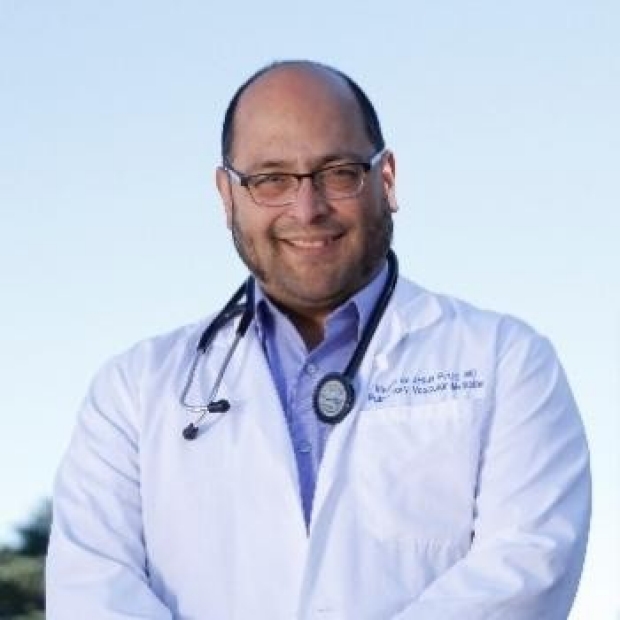
Thomas Raffin, MD, Division Chief, Fellowship Director
650-723-6381

Ann Weinacker, MD, Acting Fellowship Director
, 650-723-6381

Pulmonary and Critical Care Medicine: - fellowship - faculty

[Table of Contents]


Stanford Medical Informatics

Stanford Medical Informatics (SMI) is an academic program within the Department of Medicine. SMI faculty are studying questions in information science that include:

  • Acquisition and representation of clinical knowledge within computers
  • Dissemination of clinical practice guidelines and protocols as electronic knowledge bases
  • Reasoning about multidimensional, time-oriented clinical data, and display of those data to facilitate their understanding
  • Information retrieval and integration
  • Methods to determine the structure of biological macromolecules from experimental data
  • Structured representation of the scientific literature within machine-processable knowledge bases.

SMI offers interdepartmental training in clinical informatics and bioinformatics for those wishing to obtain either a masters degree or Ph.D. in Medical Information Science (MIS). The MIS program attracts students with widely diverse backgrounds. Many trainees are health professionals who are seeking to combine their clinical skills with formal coursework and research experience that will allow them to develop expertise in the modeling and management of biomedical data and knowledge. SCIP candidates who wish to obtain research training in biomedical informatics will enroll as graduate students in the MIS program; at the same time, they will be recognized as post-doctoral fellows by the University. Fellows in the MIS program typically are able to combine their training in biomedical informatics with ongoing clinical activities, either through the Division of General Internal Medicine or through one of the clinical-specialty divisions.

Mark Musen, MD, Division Chief, Stanford Medical Informatics
, 650-725-3390

Stanford Medical Informatics: fellowship - faculty

[Table of Contents]


Stanford University School of Medicine is committed to increasing representation of women and members of minority groups, and particularly encourages applications from such candidates.